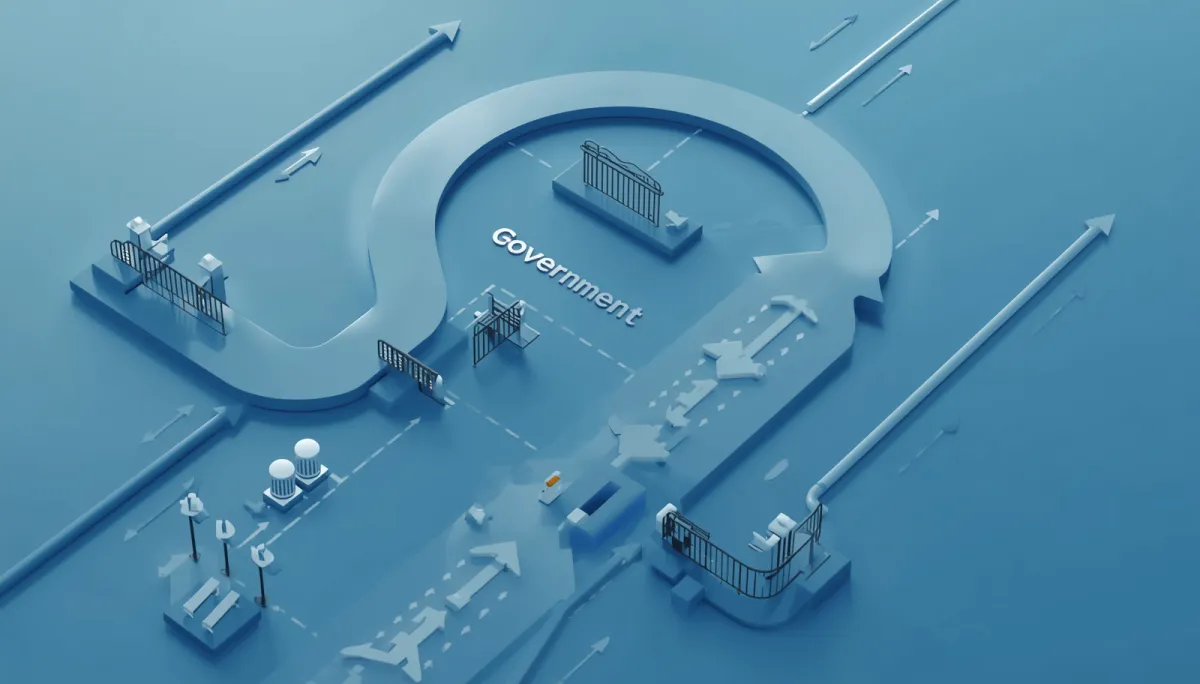
Government Contracting Obstacles: Why Entering the Federal Market Is More Complex Than It Appears
Introduction
For many organizations, entering the federal contracting space appears to be a logical next step for growth.
The federal government represents one of the largest buyers of goods and services, offering significant opportunities across industries. However, organizations often discover that breaking into this market is far more complex than anticipated.
The challenge is not simply identifying opportunities—it is understanding how to navigate a highly structured, regulated, and competitive environment.
Recognizing the external obstacles that shape federal contracting is essential for organizations seeking to enter this space successfully.

The Complexity of the Federal Acquisition Environment
Unlike commercial markets, federal contracting operates within a highly regulated framework.
Organizations must navigate:
Federal Acquisition Regulations (FAR)
Agency-specific procedures
Structured procurement timelines
Compliance requirements
These layers introduce a level of complexity that many organizations are not initially prepared for.
Without a clear understanding of how federal acquisition environments operate, it becomes difficult to effectively position capabilities or respond to opportunities.
Limited Visibility into Procurement Opportunities
One of the first challenges organizations encounter is limited visibility into how opportunities are identified and developed.
While platforms like SAM.gov provide access to posted opportunities, they represent only part of the acquisition landscape.
Many procurements are shaped long before they are publicly released.
This creates a gap for new entrants, who may:
Miss early engagement opportunities
Lack insight into agency priorities
Struggle to align with upcoming requirements
Understanding where and how opportunities originate is a key challenge in federal contracting.
Barriers to Entry and Competition Dynamics
Federal contracting is highly competitive, with many agencies relying on established vendors.
New entrants often face:
Incumbent contractors with past performance
Set-aside structures
Established relationships within agencies
These factors can make it difficult for organizations to gain traction, even when they offer strong capabilities.
Competition in federal contracting is not solely based on technical ability—it is also influenced by positioning, experience, and familiarity with acquisition processes.
Misalignment Between Capabilities and Requirements
Another common obstacle is the disconnect between an organization’s capabilities and how those capabilities are presented within federal procurement frameworks.
Organizations may:
Struggle to translate commercial experience into federal relevance
Misinterpret requirements
Position services in ways that do not align with agency expectations
This misalignment can limit competitiveness and reduce the likelihood of successful engagement.
Understanding Procurement Timelines and Processes
Federal procurement timelines differ significantly from commercial environments.
Processes are often:
Longer
More structured
Dependent on multiple layers of review
Organizations entering the space may underestimate:
How long procurements take
When to engage
How decisions are made
This can lead to missed opportunities or poorly timed efforts.
Why These Challenges Are Often Underestimated
Many organizations approach federal contracting with assumptions based on commercial experience.
However:
Federal buyers operate differently
Procurement decisions follow structured processes
Relationships and timing play a significant role
Because of this, organizations may initially struggle—not due to lack of capability, but due to lack of alignment with the federal acquisition environment.

Recognizing the Need for Strategic Positioning
Successfully entering federal contracting requires more than identifying opportunities—it requires understanding how to operate within the environment.
Organizations navigating these challenges often look for experienced procurement insight to better interpret acquisition processes, align capabilities with agency needs, and position themselves more effectively within federal markets.
Emanite Enterprise Solutions works with organizations to navigate these complexities, providing insight into federal acquisition environments and supporting more informed entry into government contracting.
Conclusion
Federal contracting presents significant opportunities—but it also introduces a level of complexity that many organizations underestimate.
By understanding the external challenges that shape the GovCon landscape, organizations can better prepare for entry and avoid common missteps.
A thoughtful, informed approach to navigating federal acquisition environments can make the difference between stalled efforts and meaningful progress.